by Mark Bauman | Jun 5, 2018 | Community
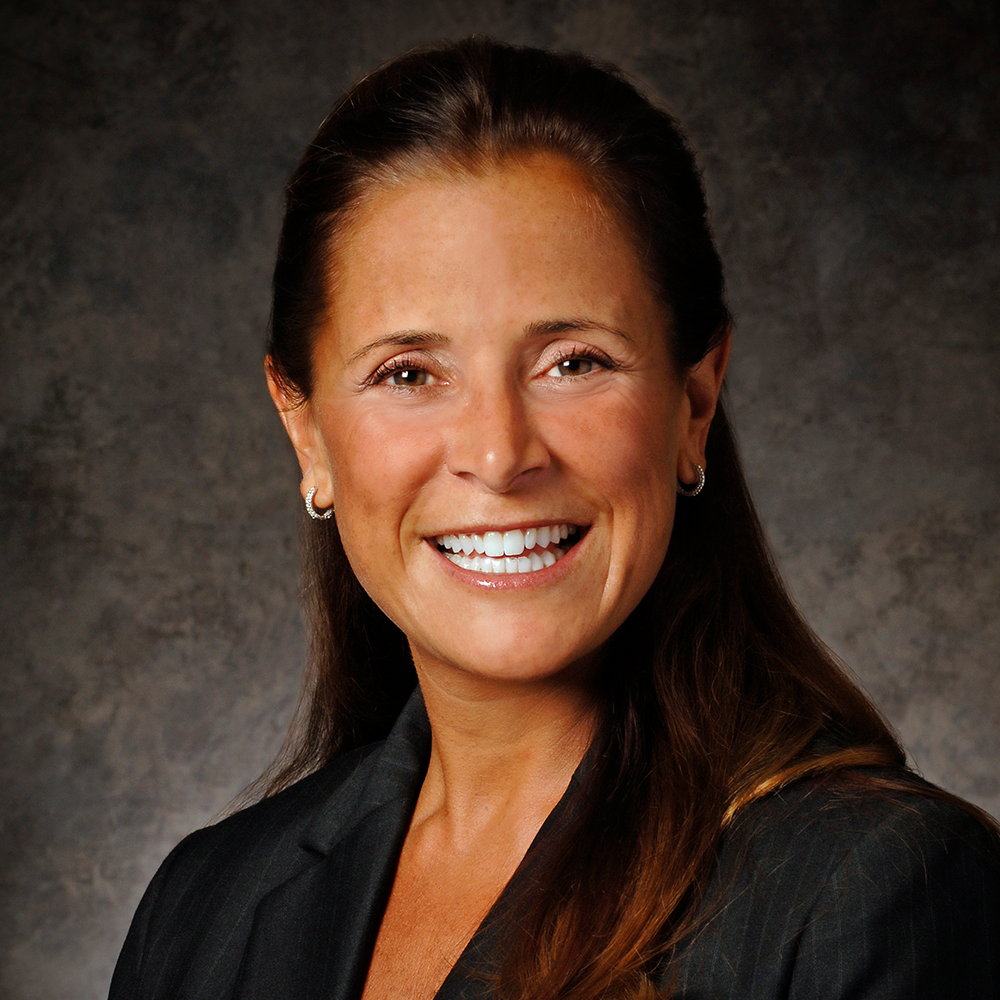
On March 6, 2018, Heather Hansen will present Lessons from Lawsuits: How to Use Health IT to Avoid Being Sued and Improve Healthcare Teams at the HIMSS Conference & Exhibition in Las Vegas, Nevada. Her presentation at the annual Health IT conference will highlight the humanity in patient care / engagement, and using it in tandem with technology to allow healthcare teams to reach their highest potential.
by Mark Bauman | Apr 27, 2018 | Medical Malpractice, Philadelphia, Successes
Marshall L. Schwartz recently obtained a defense verdict on behalf of two cardiologists in a nine-day jury trial involving allegations of a failure to properly monitor a patient’s Coumadin usage following a cardiac catherization, as well as an alleged failure to recognize neurologic signs and symptoms prior to the patient suffering a hemorrhagic stroke.
This case involved a patient who had a longstanding medical history of coronary artery disease, hypertension, diabetes, deep vein thrombosis and pulmonary embolism, and who had undergone gastric bypass surgery multiple times for morbid obesity. He also had been taking Coumadin for several years due to his risk factors for stroke. The patient presented to his cardiologist with symptoms of shortness of breath, and was advised to have a cardiac catherization which was scheduled to take place a few days later. The patient was also instructed to stop taking his Coumadin prior to the procedure. The cardiac catherization was performed without incident, and the patient was instructed to resume taking his Coumadin, follow up with the cardiology practice in a week, and have his Coumadin levels monitored by his primary care provider.
About a week after the patient was discharged from the hospital, he was seen for a follow up appointment with a practitioner at the cardiology practice. The practitioner found that he was neurologically intact. Two days later, he followed up with his primary care provider who historically monitored his Coumadin levels. His blood levels were in range, and he was instructed to continue the same Coumadin dosage that he had been taking since the procedure. Then, about ten later, the patient began to experience symptoms of stroke. His primary care provider ordered an MRI of the brain that revealed a left temporal hemorrhage. Ultimately, the patient was diagnosed with a stroke, however, no surgical intervention was necessary.
The defense successfully argued that although the patient suffered a stroke, it was not the result of any action, or inaction on behalf of anyone in the cardiology practice. In support of this argument, an expert cardiologist and nurse practitioner were called to testify and supported this defense.
After deliberation, the jury returned a unanimous verdict, finding that the defendant physicians’ care and treatment of the plaintiff was not negligent.
by Mark Bauman | Apr 17, 2018 | Chester County, Medical Malpractice, Successes
Michael O. Pitt and paralegal Elizabeth Carson-Nave recently received a defense verdict on behalf of a urologist in the Chester County Court of Common Pleas. The matter involved a 60-year old male who underwent robotic-assisted radical prostatectomy for treatment of prostate cancer. There were no complications to the surgery. On the evening of the surgery, the patient lost consciousness briefly and this was attributed by a hospitalist as a likely vasovagal response. An EKG was obtained and was abnormal, but unchanged from a pre-operative EKG study. The patient was transferred from the medical-surgical floor to telemetry for closer monitoring.
Over the next two days, the patient had a distended abdomen along with several bouts of nausea and vomiting attributed to a post-operative ileus. Additionally, labs were drawn each morning and the patient’s hemoglobin level was observed to drop from 11.6 on the date of surgery, to 10.0 on post-op day one, and then to 8.8 on post-op day two. The patient’s pulse, blood pressure, oxygen saturations and urine output remained normal. After taking a walk around the unit in the early afternoon of post-op day two, the patient complained of indigestion, suddenly lost consciousness and coded. Resuscitative measures were unsuccessful. On autopsy, the medical examiner found 900 mL of blood in the patient’s retroperitoneum, as well as moderate to severe three-vessel coronary artery disease that was previously undiagnosed. Per the medical examiner, the patient’s cause of death was coronary artery disease in the setting of complications of prostatectomy.
The decedent’s spouse filed suit under the Pennsylvania Wrongful Death and Survival Acts. Plaintiff alleged that the urologist failed to recognize the falling hemoglobin levels as a sign of active internal bleeding that caused decreased oxygen carrying capacity to the heart and her husband’s untimely death. Plaintiff presented expert testimony by a urologist and a cardiologist who claimed that had the urologist ordered a cardiology consult, CT scan of the abdomen, and serial blood draws, the patient would have received a blood transfusion and lived.
The defense presented testimony by experts in urology and critical care. These experts established that the urologist acted within the standard of care, and more specifically, that a blood transfusion was not indicated in the patient because his vital signs were stable and his hemoglobin level never fell below 8.0. Additionally, evidence was presented that the patient’s death was not caused by reduced oxygen carrying capacity from blood loss, but rather, that the patient died from a sudden cardiac arrhythmia.
Following approximately 8 hours of deliberations, the jury returned a verdict in favor of the urologist.
by Mark Bauman | Apr 5, 2018 | Community
On December 5, 2017, Dan Ryan participated as a panelist for Lights, Camera, Evidence!, a course outlining the rules of Pennsylvania evidence for the Pennsylvania Bar Institute in Philadelphia.

by Mark Bauman | Apr 3, 2018 | Community
O’Brien & Ryan is pleased to announce that Dan Ryan has been named to the International Academy of Trial Lawyers. The Academy is a group of truly elite trial lawyers representing both sides of the Bar: prosecutors and defense lawyers in criminal cases, and plaintiffs’ and defense counsel in civil litigation. While the majority of the Fellows come from the U.S., the Academy includes lawyers from more than 30 countries. Fellowship is by invitation only, and trial lawyers are invited to become Fellows only after an extremely careful vetting process.